




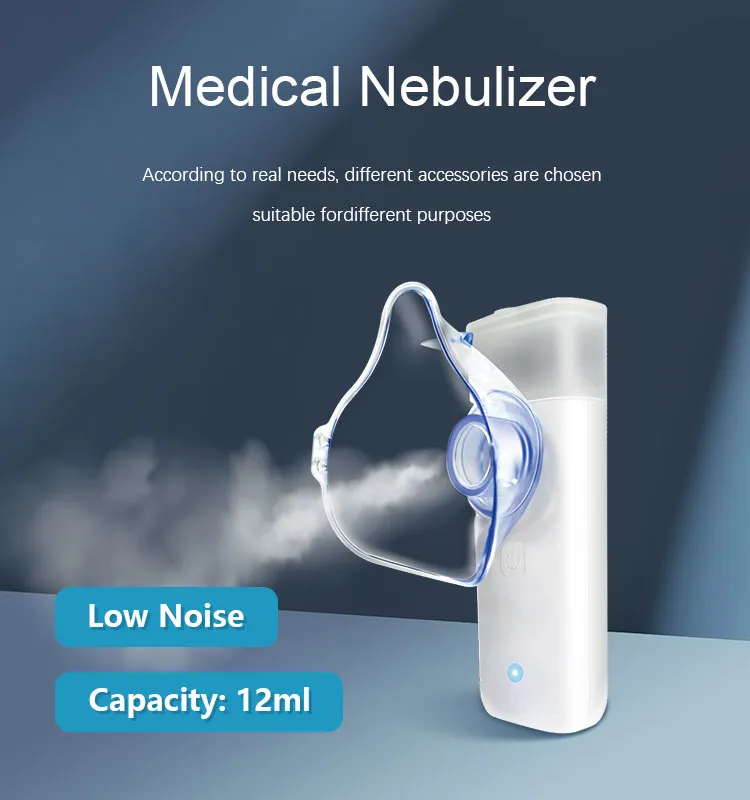
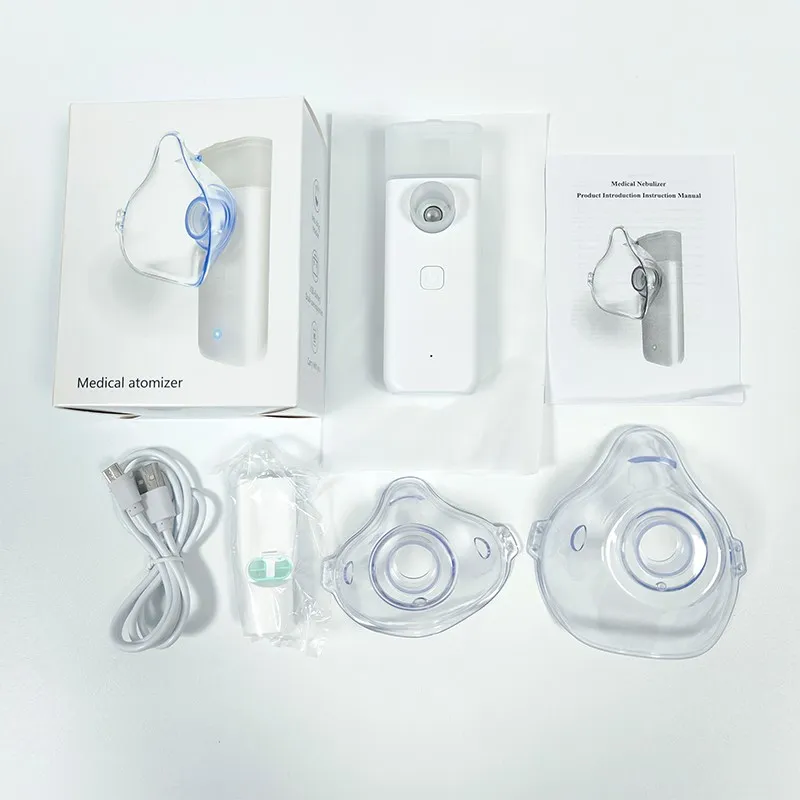
Portable Medical Atomizer
Ambient temperature: 10℃-40℃
Relative humidity:≤80%RH, non-condensing state
Atmospheric pressure:86.0-106.0 kpa
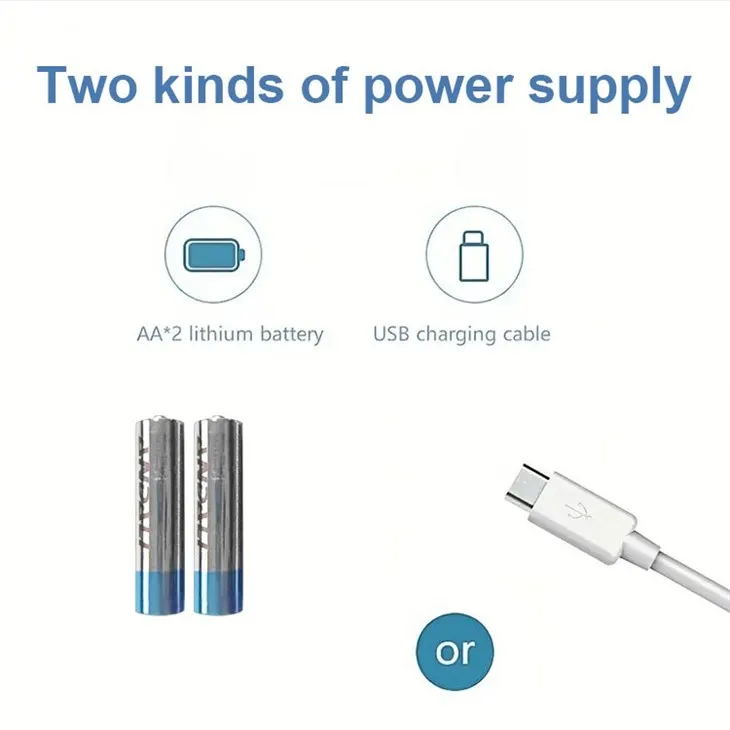
Power supply:DC 3V(2 alkaline AAA batteries)
- Fast Delievery
- Quality Assurance
- 24/7 Customer Service
Description
Product Description
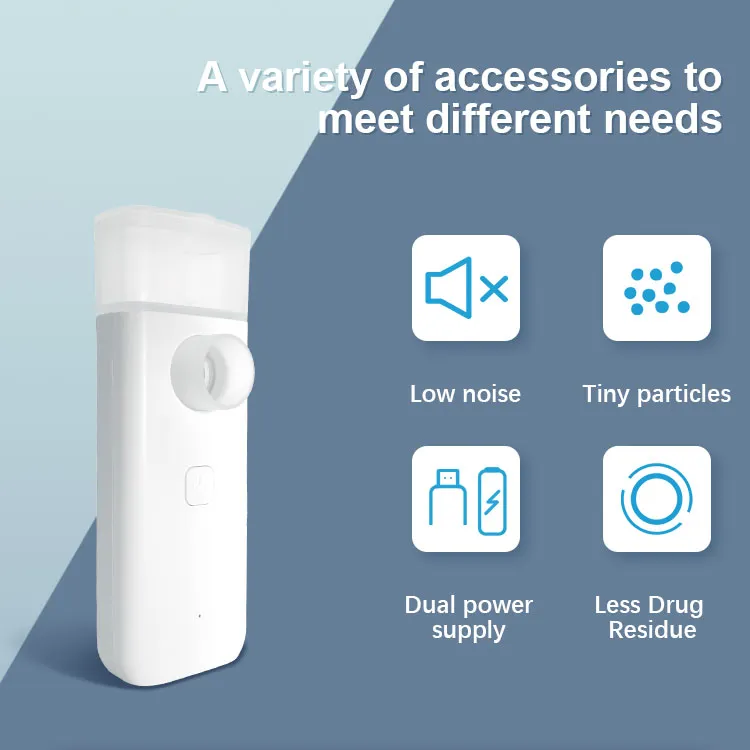
A atomizer is a type of breathing machine or inhaler that delivers medication directly to the lungs in the form of a mist or vapor. atomizers are especially useful for young children and the elderly who may have difficulty using an inhaler with a spacer and mouthpiece. They can also be used by people on oxygen therapy or those who require higher doses of medication than what can be delivered by a standard inhaler.
Product details
| Main paratemer | |
| Ambient temperature | 10℃-40℃ |
| Relative humidity | ≤80%RH, non-condensing state |
| Atmospheric pressure | 86.0-106.0kpa |
| Power supply | DC 3V(2 alkaline AAA batteries) |

What are the distinctions between a compressed air atomizers and an ultrasonic atomizers?
Differences exist between compressor atomizers and ultrasonic atomizers:
Principles of Operation:
- Compressor atomizer: Utilizes high-pressure air generated by a compressor to propel drug droplets through a specially designed nozzle, producing fine aerosol particles.
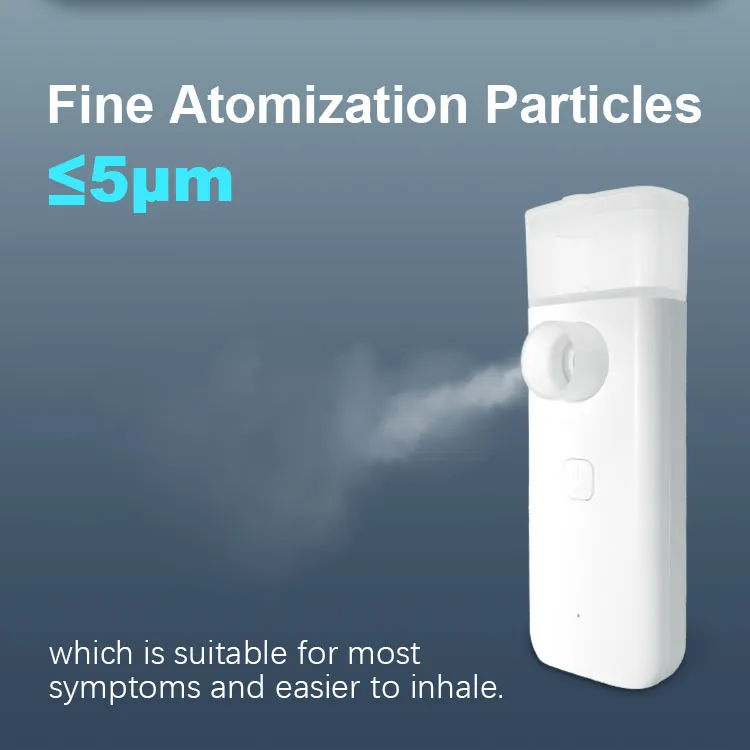
- Ultrasonic atomizer: Employs high-frequency sound wave technology to vibrate drug droplets away from the liquid surface, forming aerosol particles.
User Experience:
- Compressor atomizer: Typically generates a larger mist, suitable for use by a wide range of age groups, particularly adults and older children. Some users may find the mist to be colder.
- Ultrasonic atomizer: Produces finer mist, usually perceived as more gentle, suitable for patients with respiratory sensitivity symptoms, infants, and elderly individuals.
Portability:
- Compressor atomizer: Due to the internal compressor, it has a relatively large size, not very convenient for carrying outdoors, more suitable for home or hospital use.
- Ultrasonic atomizer: Without a compressor, usually compact in size, convenient for portability and travel use.
Applications:
- Compressor atomizer: Due to its strong mist-producing ability, it is more suitable for situations requiring high-dose drug inhalation, such as severe asthma attacks.
- Ultrasonic atomizer: May be a better choice for patients requiring long-term continuous treatment and those sensitive to nebulization temperature.
How to properly utilize a atomizer.
To operate an ultrasonic atomizer, adhere to the following steps:
1. Review the User Manual:
- Prior to using the ultrasonic atomizer, carefully review the accompanying user manual to understand the correct operating procedures and maintenance requirements of the device.
2. Clean Hands Thoroughly:
- Before using the atomizer, ensure to wash your hands thoroughly with soap and water to prevent bacteria or virus contamination of the device and medication.
3. Assemble the atomizer:
- Once hands are dry, follow the manual instructions to assemble the atomizer correctly, including attaching the atomizer head, connecting tubing, and installing the medication container.
4. Prepare Medication Solution:
- Dilute solid medications with distilled water or cooled boiled water to create a medication solution suitable for inhalation with the atomizer.
- Accurately measure and add the required amount of medication as per the doctor's instructions.
5. Load Medication Solution:
- Open the medication container lid on the atomizer and carefully pour the prepared medication solution into the container, avoiding bubble formation.
- If bubbles are present, gently tap the medication container or use a syringe to remove the bubbles before closing the container lid.
6. Connect Medication Container:
- Secure the medication container properly on the atomizer, ensuring a tight seal at the connection point to prevent leakage of the medication solution.
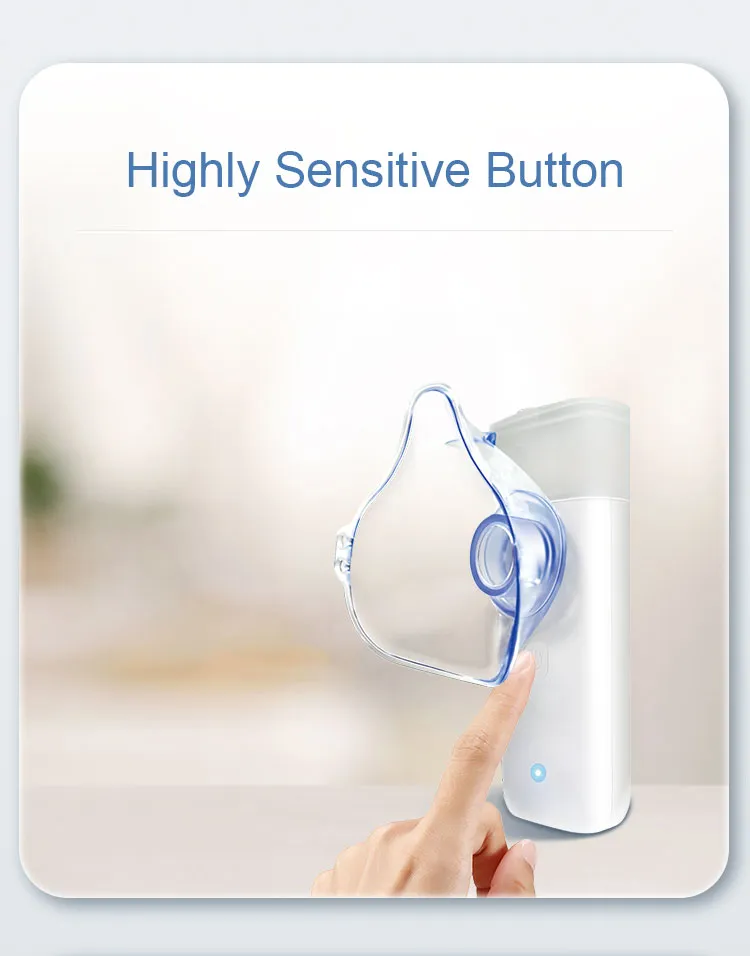
7. Power On the atomizer:
- Plug the atomizer's power cord into a power outlet, press the start button to power on the atomizer, or install batteries and press the start button to activate the atomizer.
8. Use the atomizer:
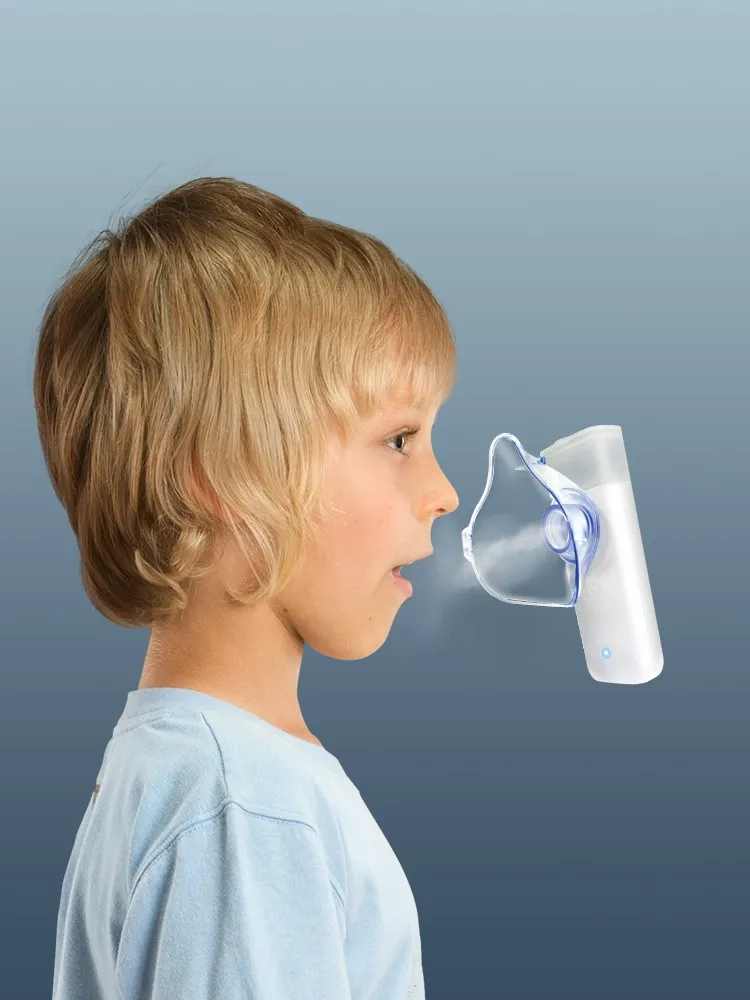
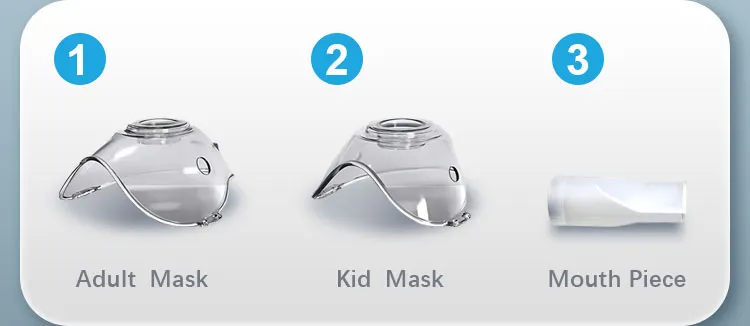
- Secure the mask or mouthpiece on the child's face, ensuring a comfortable and tight seal.
- For mask usage, apply a small amount of Vaseline or lubricant along the mask edges to help it adhere better to the child's face.
9. Clean and Maintain the atomizer:
- After use, promptly turn off the atomizer, disassemble, and clean all reusable parts, including the medication container, mask or mouthpiece, atomizer head, and tubing.
- Clean with distilled water or cooled boiled water, avoiding cleaners with fragrances or chemical additives.
- After cleaning, air dry the parts in a clean area.
10. Store the atomizer:
- Ensure the atomizer and all components are completely dry before storing them in a dry, clean area away from direct sunlight.
- Avoid exposing the atomizer to extreme temperatures or humidity.
11. Regular Inspection and Maintenance:
- Regularly check the atomizer's functionality, including the power cord, switches, filters, and other components.

Product maintence and maintence methods
1. Clean up the residual liquid
Remove the biting nozzle or mask from the main unit
Open the lid of the medicine cup, and then pour off the remaining liquid
Add a samll amount of pure water to the cup, then snap the lid tightly. Gently shake the cup so that the residual solution is fully dissolved in the pure water.
Open the lid of the medicine cup and pour off the solution in the cup and add a small amount of pure water again.
Press the button to turn off the power indicator light, the atomizer will be pure water atomized spray to clean up the residual solution of the atomizer.
2. Cleaning
The host: use wet gauze, gently wipe thestain, and then used for normal liquid nebulization
Drug cup
Internal cleaning
A:add a samll amount of pure water into the medicine cup, then snap the lid tightly. Gently shake the medical cup
B:press the button to turn off the power, and the power indicator lights up until the pure water is sprayed.
External cleaning
Use a moistened gauze, gently wipe the stain, and then dry with a new gauze.

Send Inquiry
You Might Also Like


