




Pediatric pulse oximeter
Pediatric pulse oximeter
LED Screen
Rechargeable with built-in battery
- Fast Delievery
- Quality Assurance
- 24/7 Customer Service
Description
Pulse Oximeters help you detect abnormal decreases in oxygen in the blood, better known as hypoxemia. This symptom is an indicator to detect conditions related to breathing or circulation and can generate symptoms such as difficulty breathing.
This indicator can be determined in the Pulse Oximeter by obtaining an oxygen saturation of less than 90%.
One of the symptoms most related to COVID-19 is difficulty breathing and although this indicator seems easy to detect, in some cases this condition is not perceived in its initial stage by the patient. If it is not detected in time, it can lead to a more serious condition called hypoxia or silent shortness of breath that deteriorates the person's bodily functions.
For this reason, it is very important to monitor blood oxygen levels to detect symptoms in the initial stage of the disease and face a better recovery process.
Pediatric pulse oximeter

blood oxygen saturation range
Normal oxygen saturation (SpO2) for both adults and children is between 95% and 100%.
Oxygen saturation below 95% is considered abnormal, and the brain may be affected when SpO2 levels drop below 80% to 85%. Cyanosis may occur in the skin or mucous membranes when SpO2 levels fall below 67%.
However, older adults typically have slightly lower blood oxygen saturation levels than younger people and children. Someone over 70 years old may have an oxygen level close to 95%, which is normal for that age group, while normal SpO2 rates for infants and children are typically 97% or higher.
Design
The pediatric pulse oximeter fits for kids, when you measure, your finger and body do not tremble during measuring. pls keep still, avoid measurement failure.
You just need to clipping the baby pulse oximeter on the finger, press power botton wait 8s, your finger and body do not want tremble during measuring. the spo2 and pulse rate measurement value will show on the oled display, automatically turn into the sleep mode in 10s without the opperation

Pediatric pulse oximeter

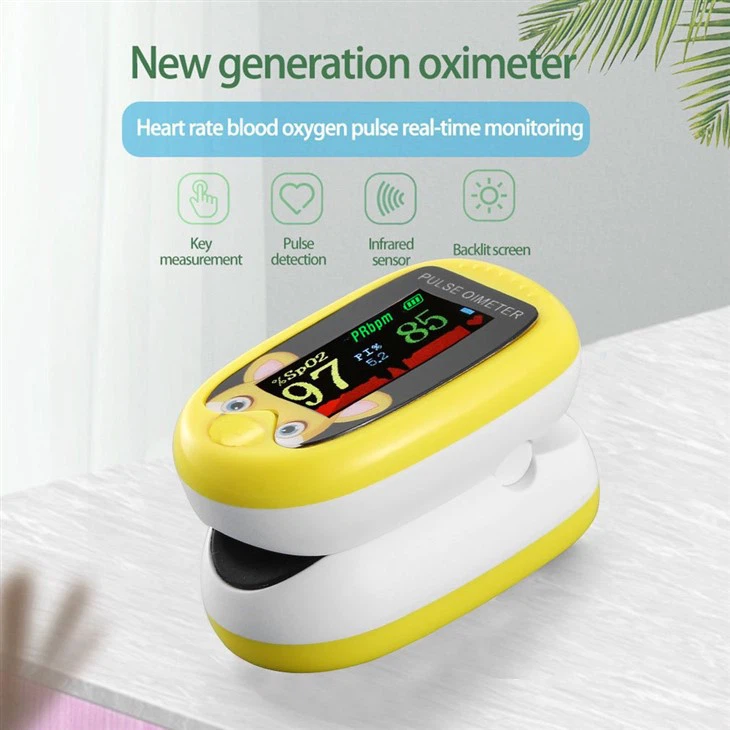
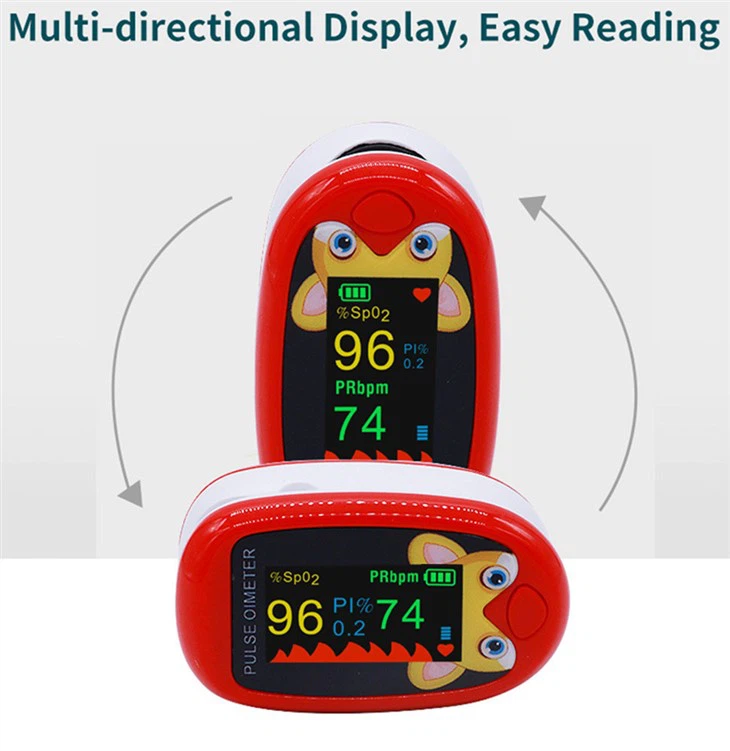
Large LED Display & Rechargeable Battery: Large digital LED display makes monitoring clear and easy to read, Offers 3 display modes, including SpO2, pulse rate and pulse bar chart. Rechargeable batteries, ultra-long standby time.
Fast and Accurate Readings: Our pulse oximeter is a fast and absolutely reliable gadget to use. It is ideal for the oxygen and pulse readings, and have a very small error margin.
User Friendly Design: put the finger in for 3-5 seconds directly reading. Easy reading and Auto power-off after user putting out the finger.


The fingertip pulse oximeter deviates less than 1% under lab conditions. Upgrade LED and sensor allows SpO2 (Blood Oxygen Saturation level) and pulse rate measurement at low blood perfusion index. Plethysmograph and Perfusion Index can help you to judge whether your measured SpO2 and Pulse Rate is properly.
From the ABS shell, display screen, acrylic panel, high-speed computing chips , anti-skip silicone inside, medical-grade silicone finger mold and various electronic components of oxygen finger monitor, all adopt high-quality materials and components. Even the spring of the oximeter finger has been subjected to thousands of tests. We will never use any cheap material to make oxygen monitor.
Widely Use: Perfect for sports activities, This device is intended for sports or aviation use only, not for medical use. mountain climbing, aviation and those who need to monitor their blood oxygen circulation and heart rate. Widely suitable for children, teenagers, adults, the elderly.
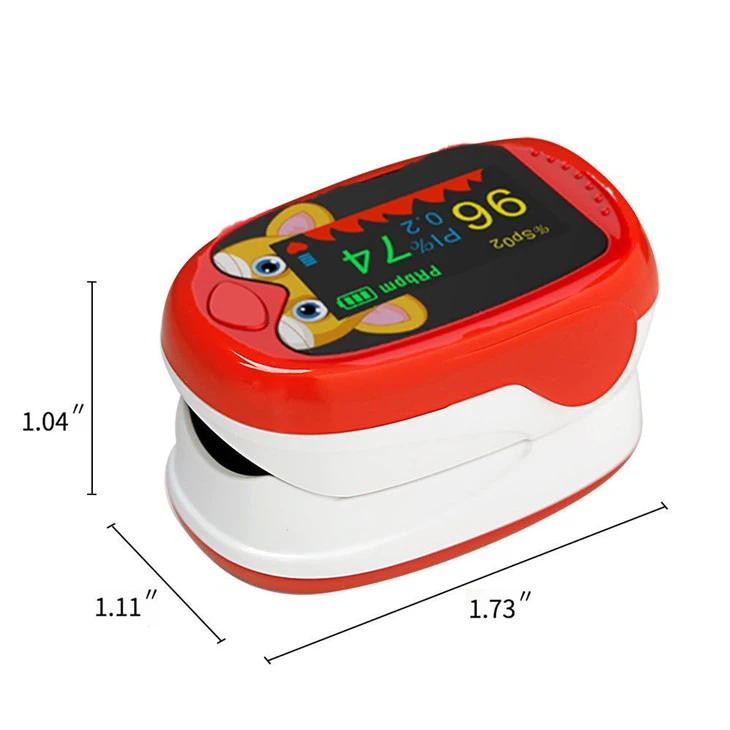
Portable and Durable: The finger pulse oximeter made with high-density ABS plastic structure with a lanyard, small portable size and lightweight makes it easy to handle and carry.

The usage of the pulse oximeter.
Clip the finger oximeter on your finger with the display facing up. The index finger, middle finger and ring finger are most commonly used. These fingers may be relatively sensitive and have higher accuracy. The thumb and little finger are relatively wide and too small, respectively, and may be slightly less sensitive than the other three fingers.
The "%SpO2" on the finger oximeter shows the blood oxygen saturation. The normal blood oxygen saturation of the human body is between 95% and 100%. The "PRbpm" on the finger oximeter shows the pulse rate, that is, the number of pulse beats per minute. Under normal circumstances, the pulse rate is 60 to 100 beats per minute.
When monitoring, pay attention to these three issues.
Instrument problem: Check whether the instrument is intact before use.
Nails: Blue nail polish has the greatest impact, followed by green and black, and red nail polish has no impact. Gray nails will also have a certain impact on the accuracy of blood oxygen saturation monitoring, so it is recommended to avoid it as much as possible.
Motion interference: Finger shaking will also have a certain impact, so wait a few seconds for the pulse waveform to stabilize before the reading is more accurate.
Company profile


Good feedback

Send Inquiry
You Might Also Like


