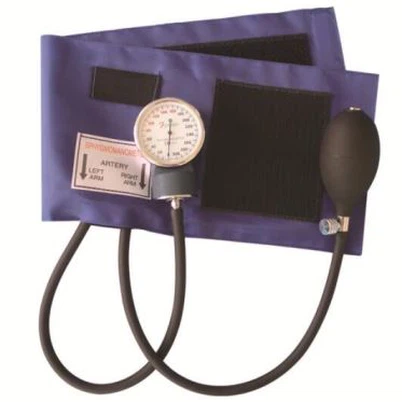
Is There A 24/7 Blood Pressure Monitor?
Leave a message
Is there a 24/7 blood pressure monitor?
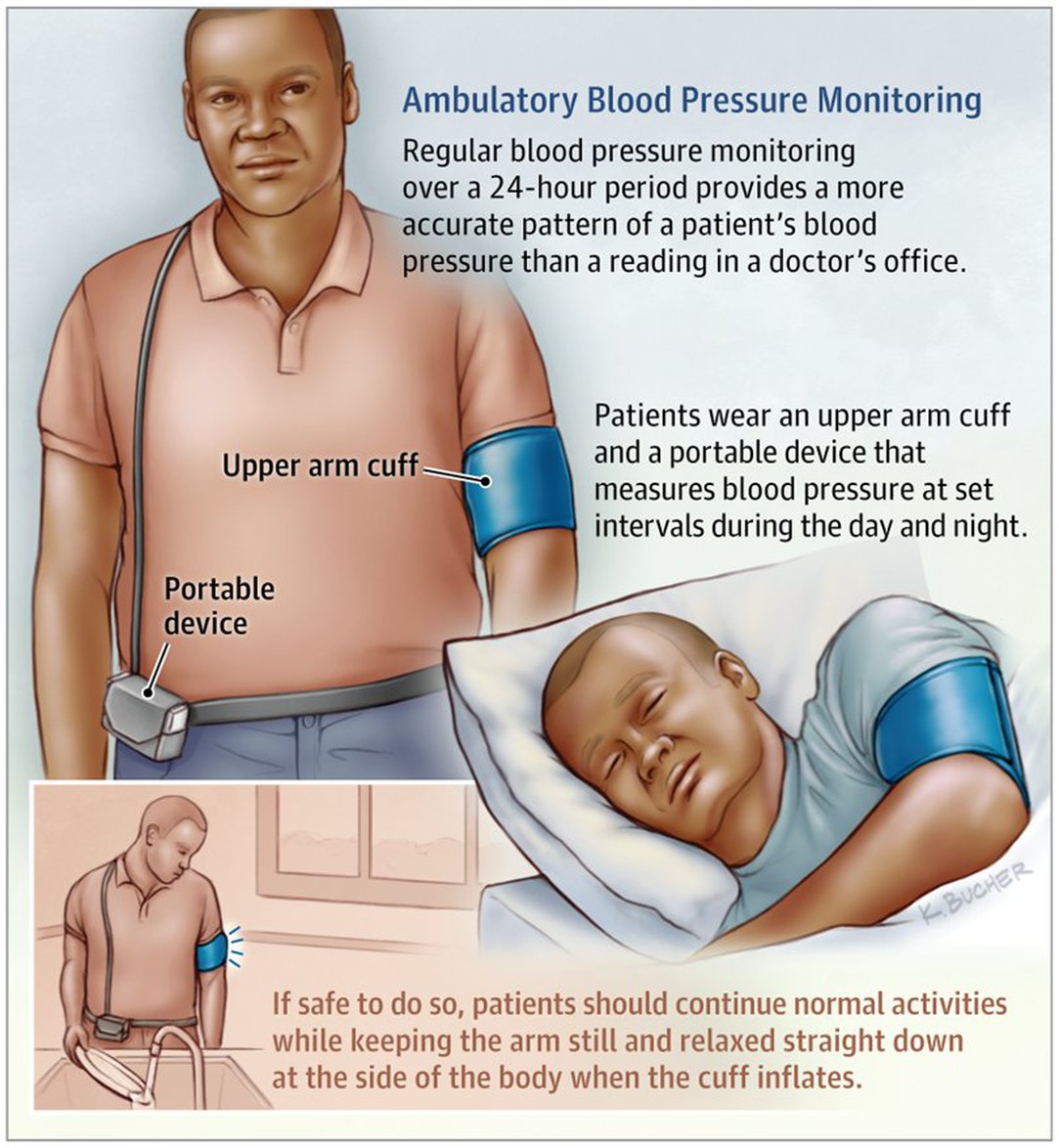
Yes, there are 24/7 blood pressure monitors available on the market today. These advanced devices use innovative technology that allows them to track blood pressure levels continuously, providing valuable insights into a person's blood pressure trends and patterns.
The benefits of 24/7 blood pressure monitoring are significant. By tracking blood pressure levels around the clock, doctors can get a more accurate picture of a patient's blood pressure and make better treatment decisions. Patients can also use these monitors to keep track of their own blood pressure levels and make informed lifestyle changes to improve their overall health.
Some devices even come with mobile apps that allow patients to see their blood pressure data in real-time and get personalized insights on how to better manage their blood pressure. By providing easy-to-understand data and insights, these devices can help patients take a more proactive approach to managing their health.
In conclusion, 24/7 blood pressure monitors are a valuable tool in the fight against hypertension. With their advanced technology and user-friendly design, they offer patients and healthcare providers a reliable and accurate way to track blood pressure levels and take proactive steps to improve their health.
What is the blood pressure monitors used for?
Blood pressure monitors are an essential tool for managing blood pressure, a critical indicator of cardiovascular health. These monitors are used to measure the pressure in your arteries, which reflects the force of your heart's contractions as it pumps blood through your body.
Monitoring blood pressure is important because it can help detect and prevent serious medical conditions such as heart attack, stroke, and kidney disease. By regularly monitoring your blood pressure, you can identify any changes or irregularities and take steps to manage them.
Blood pressure monitors are also used by healthcare professionals to check patients' blood pressure during routine check-ups or appointments. This information is valuable in diagnosing and treating a wide range of health conditions.
There are various types of blood pressure monitors available, including home monitors that allow individuals to monitor their blood pressure in the comfort of their own homes. This can be particularly useful for individuals with high blood pressure who need to monitor it more frequently than typical doctor visits.
Take a look at our products!

BP-208

BP-212

BP-215
Specifications:
1. Measurement range: 0-300 mmHg (Pressure); 30-180 beats/min(Pulse)
2. Accuracy: ±3 mmHg(±0.4kpa)(Pressure); ±5%(Pulse)
3. Automatic measurement and power-off
4. 99 memory in 2 groups
5. Measurement time: 100-120s measurement
6. 2*AA battery
How do you use the blood pressure monitors?
Using a blood pressure monitor is a simple and straightforward process that is essential for maintaining good health. Here are the basic steps to using a blood pressure monitor:
1. Sit quietly for a few minutes before taking your blood pressure.
2. Make sure that the cuff fits comfortably around your arm and is positioned correctly.
3. Turn on the monitor and wait for it to calibrate.
4. Place the cuff around your upper arm and secure it in place.
5. Press the start button to begin measuring your blood pressure.
6. Remain still and quiet while the monitor records your blood pressure.
7. After the measurement is complete, the monitor will display your systolic (upper) and diastolic (lower) blood pressure readings.
8. Write down the readings in a log or diary, or save them electronically for future reference.
The features of the blood pressure monitors:
Blood pressure monitors are designed to measure the pressure of blood flowing through the arteries in your body. Regular monitoring of your blood pressure can help you to detect any changes in your health and can also help you to prevent serious health problems such as heart attacks and strokes.
There are many different blood pressure monitors available on the market today, each with their own unique features. Some of the most common features of blood pressure monitors include:
1. Digital Display: Most modern blood pressure monitors feature a digital display, which makes it easy to read your blood pressure readings at a glance.
2. Multiple Users: Some blood pressure monitors allow for multiple users, so that you can track your blood pressure readings alongside those of your family members or friends.
3. Memory Storage: Many blood pressure monitors also include memory storage, which stores your past blood pressure readings so that you can track your progress over time.
4. Irregular Heartbeat Detection: Some blood pressure monitors also feature an irregular heartbeat detection feature, which can help you to monitor any unusual heart rhythms.
5. Wireless Connectivity: Some advanced blood pressure monitors also allow you to connect to your smartphone or other device wirelessly, so that you can track your readings and share them with your healthcare provider.