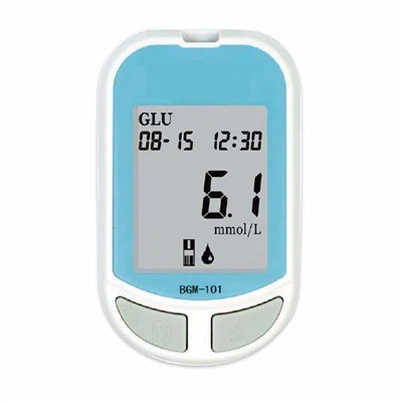
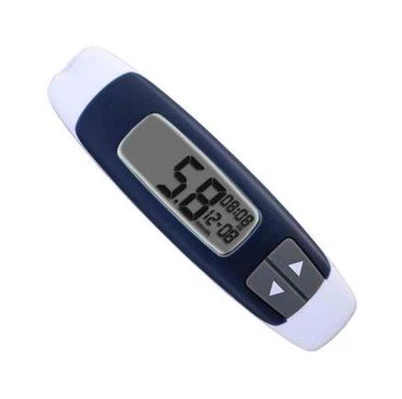
Hemoglobin Meter
⭐portable
⭐Measuring Time:15 seconds
⭐Easy to operate
⭐Sample:Fresh capillary whole blood
- Fast Delievery
- Quality Assurance
- 24/7 Customer Service
Description
The dangers of abnormal hemoglobin
low hemoglobin
Low hemoglobin will affect the central nervous system, because the hypoxia of brain cells will lead to a decrease in blood oxygen capacity, and there will be a phenomenon of brain hypoxia. For children, it may also jeopardize intellectual development. Low hemoglobin for a long time will increase the burden on the lungs and heart, because the heart will be in a decompensated working state during anemia, and anemia heart disease is prone to occur, so the low hemoglobin for a long time is very harmful.


high hemoglobin
High hemoglobin refers to that the concentration of hemoglobin in peripheral blood exceeds the normal range. This situation usually leads to increased blood viscosity, and the patient's blood flow rate will become slow, which can easily lead to hyperviscosity, which will induce hyperviscosity. Thrombosis or embolic diseases, such as cerebral thrombosis, myocardial infarction or pulmonary embolism, can also easily lead to venous thrombosis of the lower extremities.
Why measure hemoglobin
Whole blood hemoglobin concentration is one of the items of routine blood examination. Other related items include hematocrit, white blood cell count, platelet count, and blood picture examination. The specimen can be collected from venous blood or skin blood.
The main clinical utility is suitable for the identification and diagnosis of diseases such as anemia and polycythemia.
The hemoglobin measurement is a better indicator of the degree of anemia than the red blood cell count. Once anemia is identified, further investigations are needed to find the cause, such as iron deficiency, bone marrow diseases and diseases affecting the bone marrow such as cancer, inherited enzyme deficiencies, acute and chronic blood loss, hemolysis Sexual diseases, etc.


company introduction

Send Inquiry
You Might Also Like