


What Is The New Method For Measuring Hemoglobin?
Leave a message
What is the new method for measuring hemoglobin?
A new method for measuring hemoglobin has been developed and is gaining popularity in medical practice. Hemoglobin is an important protein in our blood that carries oxygen to our organs and tissues. In the past, measuring hemoglobin levels required a blood sample and laboratory testing, which could take up to a day to get results. However, this new method allows for a quick and non-invasive measurement of hemoglobin levels.
The device used for this method is called a non-invasive hemoglobin monitor. It uses light absorption spectroscopy technology to measure the hemoglobin content in the blood. The device is placed on the patient's fingertip, and by shining light through the fingertip, it measures the absorption of light by the hemoglobin protein in the blood. The results are displayed instantly on the device's screen.
This new method is a game-changer in medical practice. It saves time, reduces costs, and minimizes the need for invasive blood sampling. It can also be used in situations where blood sampling is not feasible, such as in critically ill patients or in patients who cannot tolerate frequent blood draws.

Moreover, this new method has also been shown to be accurate and reliable in several studies. It provides results that are comparable to those obtained through traditional laboratory testing.
In conclusion, the non-invasive hemoglobin monitor is a promising tool in medical practice. It offers a quick, non-invasive, and accurate method for measuring hemoglobin levels. With its many benefits, it is set to become a standard device in clinical practice.
How often should you measure the hemoglobin level?
Measuring hemoglobin levels is an important part of maintaining good overall health. Hemoglobin is a protein found in red blood cells that carries oxygen throughout the body, and an imbalance in hemoglobin levels can indicate various health conditions, including anemia.
The frequency of measuring hemoglobin levels depends on a person's age, health status, and medical history. The World Health Organization recommends that children under five years old have their hemoglobin levels tested at least once a year. For pregnant women, it is recommended to check their hemoglobin levels at least once per trimester to ensure a healthy pregnancy.
For healthy adults, routine screening for hemoglobin levels is not recommended unless there is an underlying health condition that warrants use. However, for individuals with a history of anemia or other blood-related conditions, monitoring hemoglobin levels more frequently may be necessary.
Monitoring hemoglobin levels is also important for individuals with chronic diseases such as diabetes, kidney disease, and heart disease. Regular testing can help detect any changes in hemoglobin levels and ensure proper treatment is provided.
Take a look at our products!

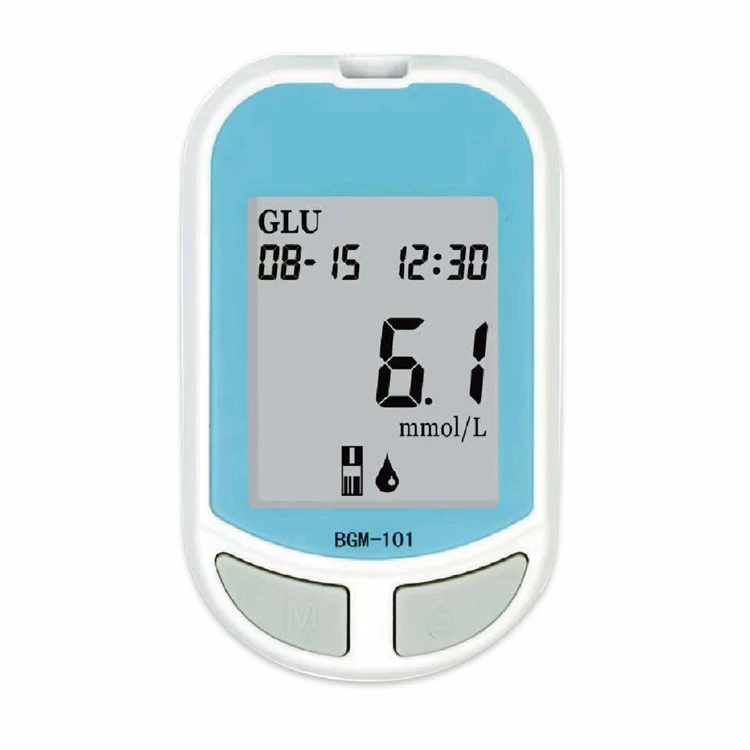

Specifications:
| Product name | Digital Portable Hemoglobin Meter | Model No. | BHM-102 |
| Methododlogy | Reflectance photometer | Measurement Range | HB:4.5-25.6g/dl45-256g/2.8-15.9mmol/L |
| Specimen | Whole blood(capillary and venous) | Power source | 3xAAA batteries |
| Battery Endurance | Approximately 1000 tests | Units of Measurement | g/dL,g/L,mmol/L |
| Memory | 1000 records | Meter Size | 136*65*25mm(L*W*H) |
| Weight | 90g | Test strip Storage Conditions | 2~30C;≤ 90% RH |
| Meter Storage Conditions | 0-55℃;≤ 90% RH | System Operating Conditions | 10-40°C;s 90% RH ;height |
The normal range of the hemoglobin level.
Hemoglobin is an essential protein found in red blood cells that helps transport oxygen throughout the body. A healthy hemoglobin level is important for overall physical well-being and can indicate a person's general health and fitness.
The normal hemoglobin level range for adults is between 12 and 16 g/dL (grams per deciliter) for women and between 13.5 and 17.5 g/dL for men. However, these ranges can vary depending on age, gender, health history, and other factors.
Maintaining a normal hemoglobin level is important to avoid anemia, a condition where the body doesn't have enough red blood cells or hemoglobin to function properly. Symptoms of anemia can include fatigue, shortness of breath, and dizziness. Eating a healthy diet rich in iron, folic acid, and vitamin B12 can help maintain healthy hemoglobin levels.
Regular exercise and physical activity can also help increase hemoglobin levels by improving cardiovascular health and aiding in the production of new red blood cells. In addition, avoiding smoking and excessive alcohol consumption can also help maintain proper hemoglobin levels.
How do you use the hemoglobin meter?
1. Prepare the patient: Before using a hemoglobin meter, the patient's finger must be cleaned with an alcohol swab. The patient should sit still and relax to minimize the risk of a false reading.
2. Place the device: The health care provider will then insert a disposable or reusable capillary tube into a small opening in the device. The capillary tube is then filled with a drop of blood which is drawn from the patient's fingertip.
3. Reading the result: The hemoglobin meter will display the hemoglobin level in grams per deciliter (g/dL) on a digital display screen. The result is typically available in less than one minute.
4. Interpretation: The normal hemoglobin level for men typically ranges from 13.5 to 17.5 g/dL, while for women it is 12.0 to 15.5 g/dL. Hemoglobin levels that are significantly below the normal range could indicate anemia or other health conditions.


